

Stay Connected with Grow Your WHY
Recent Posts
Archives
Personal Stories Connect and Inspire


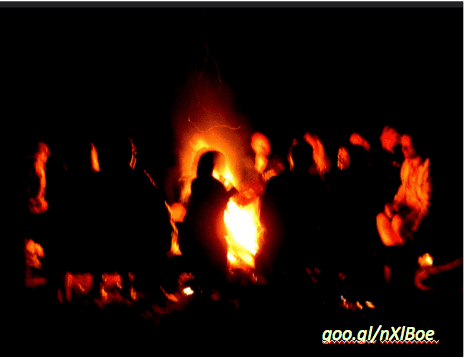
We’re all storytellers. We’ve been telling stories for thousands of years. This is how we transfer ideas, connect, learn, and inspire. First I would like to share three inspirational stories.
During a graduation speech in 2005, Steve Jobs shared how he had just learned he was diagnosed with pancreatic cancer. He changed his speech so he could talk from his heart about what this devastating news meant to him. He said: “Knowing your time in life is limited, think carefully about how to spend it. Don’t waste it living someone else’s life. Don’t let the noise of others’ opinions drown out your own inner voice.” He finished with “do what makes your heart sing!”
“What makes your heart sing? Steve Jobs
The second story is about J K Rowling who saw herself as a failure. Her marriage had failed; she was jobless with a young child. Her writing kept her going. She wrote wherever and whenever she could. She submitted “Harry Potter” to 12 publishers all of who rejected her. Finally, one publisher took a chance but advised her to get a day job and only printed 1000 just in case the book didn’t sell well.. Rowling described her failure as liberating by not giving up because her story mattered.
“Don’t let failure be an ending. Make it a beginning.”
My third story is about Mark Burnett who at 22 came to America with no experience and very little money. He first started as a nanny working for very wealthy people and realized he could do that. He bought $2 T-shirts and used good stories to sell them for $18 and others. Within 8 years with his passion for extreme sports, he bought a British competition that became the TV show Survivor that he calls an irresistible story, a drama unfolding before your eyes. These three stories are just short examples of how stories can captivate and inspire.
“See the future better than today and make it happen.” Mark Burnett
Stories are more than just finding ourselves. When you start telling stories about you, you are “creating” yourself. We are our experiences, our history, and our connections.
Paul Zak researched and found on how the brain changes from a good story by increasing the empathy chemical oxytocin in the brain. If you start with a story of human struggle and eventual triumph, then you capture people’s hearts.
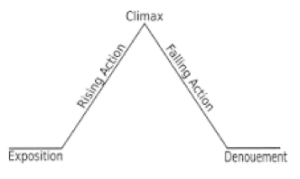 The dramatic arc can lay out the personal story. Ever since young children are told their first bedtime stories, they become familiar with the dramatic arc inherent in most stories. Stories using this can be effective instruments for conveying important information and life lessons.
So let’s tell more stories in the class. Our stories; their stories. This helps build a culture of learning based on trust. Personal stories help build connections that create a caring and compassionate community.
My story: I was a dental hygienist and taught dental hygiene. Then I had an accident. I broke my leg, my neck, and couldn’t practice anymore. I became a teacher and love every moment. My good friend Sara Armstrong who is a storyteller said to me that I went from dental flossing to mental flossing.
I don’t know if you’ll remember my story or any that I shared here. But personal stories do touch our hearts more than any lecture, quiz, or test. Consider today’s kids.
How do you capture screenagers’ attention when all they want to do is to stare at their mobile device?
Stories. Have them tell their stories with their device. Share your story and model it. Write your story in a blog, through pictures, podcasts or videos. Then share it with your Personal Learning Network (PLN). Everyone loves a good story and you have good stories to tell so share them. Stories can be as small as 140 characters. Join a Twitter chat like #rethink_learning that I co-host or a Voxer group. I learn so much from other educators who share resources, ideas, and their own personal stories on social media.
Ted Talks is a great resource you can use with your colleagues. Check out teacher Rita Pierson’s Tedtalk about how every kid needs a champion. Her story came from her heart because she truly believed in each child.
Another Ted Talk is from Timmy Sullivan who graduated from high school this year and has been speaking for some time about “his education” his way. His voice and stories matter to kids. More kids are sharing stories on TedTalk and social media now.
Model how to do this by telling your story. Encourage their voice by starting with the prompt “imagine if…” Yes.. “imagine if” for you too.
Stories do connect us. Share what makes your heart sing. Reach out to someone you don’t know as I did 20 years ago at ISTE for a column I was writing. Many of those connections I made last today. So ask someone “What’s your story?”
*****
Interested in checking out more of the Rethinking Learning podcasts and reflections, click on the podcast tab at the top, the logo below, or go to https://barbarabray.net/podcasts/
About the author
