Stay Connected with Grow Your WHY
Recent Posts
Archives
- â–ş2026 (9)
- â–ş2025 (13)
- â–ş2024 (17)
- â–ş November (1)
- â–ş October (1)
- â–ş September (1)
- â–ş August (1)
- â–ş June (1)
- â–ş May (2)
- â–ş April (5)
- Nurturing Social-Emotional Learning for a Brighter Future with Cara Zelas (EP159)
- Empowering Students through Financial Literacy with Brian Curcio (EP158)
- Growing Learners in Challenging Times with Kevin Honeycutt (EP157)
- 4 Levels of the Progression to Intrinsic Motivation
- Rethinking the Why of Teaching and Learning with Erik Francis (EP156)
- â–ş March (1)
- â–ş February (1)
- â–ş January (3)
- â–ş2023 (16)
- â–ş2022 (13)
- â–ş2021 (29)
- â–ş2020 (35)
- â–ş December (2)
- â–ş November (3)
- â–ş October (2)
- â–ş September (2)
- â–ş August (3)
- â–ş July (3)
- â–ş June (3)
- â–ş May (3)
- â–ş April (4)
- Episode #97: Build Hope and Spread Kindness to Impact Globally with Roman Nowak
- Reflection #3: Belonging and Our WHY during this Pandemic with Ilene Winokur and Barbara Bray
- Episode #96: Creating an Award-Winning Culture Leading with Kindness and Empathy with Jennifer Appel
- Reflection #2: My Why While Staying at Home by Barbara Bray
- â–ş March (3)
- â–ş February (3)
- â–ş January (4)
- â–ş2019 (43)
- â–ş November (4)
- â–ş October (3)
- â–ş September (3)
- â–ş August (5)
- â–ş July (3)
- â–ş June (3)
- â–ş May (4)
- â–ş April (2)
- â–ş March (5)
- World Changers PBL by Paula Ford
- What I Learned at SXSW EDU and SXSW by Sheehan Lake
- Episode #70: Taking Risks and Learning from Students Taking the Lead with Rachelle Dene Poth
- Episode #69: Using Technology to Close the Opportunity Gap with Ira Socol
- Maslow’s Hierarchy of Needs and Blackfoot (Siksika) Nation Beliefs
- â–ş February (6)
- Episode #68: An Educator’s Journey to Spark the Learning in Others with Meredith Johnson
- Episode #67: Sharing Vulnerability is a Sign of Strength with Jon Harper
- Episode #66: Educate, Be Real, and Live with your Heart with Tara Martin
- The Teaching and Learning Continuum Moving to Learner Agency
- Episode #65: Lead with Empathy, Design for Innovation with Dr. Winston Sakurai
- Episode #64: Timeless Learning by Listening and Observing How Kids Learn with Dr. Pam Moran
- â–ş January (5)
- Episode #63: Magical Learning by Creating Unforgettable Experiences with Tisha Richmond
- Episode #62: EduProtocols for Infinite Student-Centered Learning Possibilities with Jon Corippo
- Episode #61: Learning Personalized: Habits of Mind, Attributes, and Dispositions with Allison Zmuda
- Episode #60: Start with Why and Stay with Why with Dr. Jim Rickabaugh
- My One Word for 2019: Possibilities
- â–ş2018 (51)
- â–ş December (4)
- Episode #59: Moving Students from Digital Citizenship to Digital Leadership with Jennifer Casa-Todd
- Top 10 Rethinking Learning Posts in 2018
- Episode #58: Culturize: Do Whatever It Takes for Each and Every Student with Jimmy Casas
- Episode #57: Kids Speak Out on Student Engagement with Heather Wolpert-Gawron
- â–ş November (2)
- â–ş October (2)
- â–ş September (4)
- â–ş August (3)
- â–ş July (6)
- Episode #49: Create an Innovation Ecosystem that Empowers All Learners with Katie Martin
- Episode #48: Diving Deep into Inquiry Mindset with Trevor MacKenzie
- Levels of Engagement: Balancing Challenges and Skills
- Episode #47: Why Choose to Matter with Angela Maiers
- My Personal Bill of Rights
- Episode #46: Enriching Learning through Global Collaboration with Jan Zanetis
- â–ş June (3)
- â–ş May (5)
- Teaching and Learning Approaches Chart (v1)
- Episode #42: Embrace a Culture of Joy with Dean Shareski
- Episode #41: Supporting and Mentoring Teachers with Ilene Winokur Alzaid
- Opportunities for Choice: The Learning Path to Advocacy and Innovation
- Episode #40: Asking Good Questions and Separating Fact from Fiction with Sara Armstrong
- â–ş April (3)
- â–ş March (4)
- â–ş February (7)
- Episode #33: Making, Creating, and Innovating with Personalized Learning with Travis Lape
- I believe…
- Episode #32: Connect, Collaborate, Create with Sylvia Duckworth
- Development of Ownership: From Compliance to Autonomy
- Episode #31: Awakening Wisdom with Linda Inlay
- Inquiry Mindset Review
- Episode #30: Innovation, Technology, and Human-Centered Design with Naomi Harm
- â–ş January (8)
- Episode #29: Learn about the World with the World with Julie Lindsay
- 6 Tips to Find Your Magic
- Episode #28: The Why and The Way of Inquiry and PBL with Ross Cooper
- Continuum of Motivation: Embracing a Love of Learning
- Episode #27: Authenticity, Transparency, and Culture with Abbie Forbus
- Random Acts of Kindness PBL
- Episode #26: Focus on the What Ifs for a Culture of YES with Eric Sheninger
- Episode #25: Building the Why for Learning with Mike Mohammad
- â–ş December (4)
- â–ş2017 (59)
- â–ş December (6)
- Top 10 Rethinking Learning Posts in 2017
- Episode #24: Video Production for Education and Social Impact with Krista Moroder
- Build a Toolkit so Learners Become Future Ready
- Episode #23: Inspiring Kids to Greatness with Darren Ellwein
- Time to Ban Average in Education
- Episode #22: Collaboration and Creativity in Education with Leigh Hynes
- â–ş November (8)
- Join the Random Acts of Kindness Movement
- Episode #21: Modeling Behaviors We Want to See with Starr Sackstein
- Design Thinking Process with the UN Sustainable Development Goals
- Episode #20: A Sense of Wonderment with Linda Ullah
- Ikigai: Your Purpose and Reason for Being
- Episode #19: A Passion for Storytelling and Equity with Ken Shelton
- Defining Learner Agency
- Episode #18: Cultivating Creativity with Michelle Baldwin
- â–ş October (8)
- Accountability vs Responsibility
- Episode #17: Imagining Together at City Neighbors with Bobbi Macdonald
- UDL and the Why of Learning
- Episode #16: Professional Learning going ROGUE with Rich Czyz
- 6 Ways Teachers can Spread Intentional Positivity
- Episode #15: Digital Citizenship with Sue Thotz
- My Story with CBAM (Concerns-Based Adoption Model)
- Episode #14: Global Collaboration Projects with JoAnn Jacobs
- â–ş September (7)
- Episode #13: Connecting Connected Educators with Dr. Will Deyamport
- Schools without Classrooms
- Episode #12: Intentionally Designing for Tomorrow’s Schools with Thomas C. Murray
- How Voice Helps Discover Purpose for Learning
- Episode #11: Shift Your Paradigm with Randy Ziegenfuss
- 10 Tips for Active Listening
- Episode #10: Be the One for Kids with Ryan Sheehy
- â–ş August (12)
- 7 Strategies for Personal Professional Learning
- Episode #9: Framing the Path with Alex Corbitt
- 5 Reasons to Personalize Learning
- Episode #8: Framework for Maker Education with Dr. Jackie Gerstein
- Continuum of Purpose: Fostering a Meaningful Life
- 6 Activities to Build a Positive Classroom Culture
- Episode #7: Building Wings on the Way with Noa Daniel
- 7 Ideas to Discover Magic in Your Classroom
- Episode #6: Passionate about Digital Learning: Shelly Sanchez Terrell
- 18 Ways to Recognize Learning as the Culture
- Episode #5: Running Because Kids Deserve It with Adam Welcome
- 8 Tips to Foster a Sense of Belonging
- â–ş July (1)
- â–ş June (3)
- â–ş May (2)
- â–ş April (5)
- â–ş March (4)
- â–ş February (2)
- â–ş January (1)
- â–ş December (6)
- â–ş2016 (11)
- â–ş2015 (8)
- â–ş2014 (2)
- â–ş2013 (11)
- â–ş2012 (40)
- â–ş November (1)
- â–ş October (2)
- â–ş August (2)
- â–ş July (1)
- â–ş June (5)
- â–ş May (3)
- â–ş April (6)
- â–ş March (5)
- â–ş February (10)
- Personalized Learning Initiative in Wisconsin
- The Information Diet
- Personal Journeys in Kindergarten
- Notability App – An App You Will Love
- It’s all about Apps: One That’s Free Today!!
- Reboot to Encourage Wonder
- It’s not Personal. It’s Business.
- Wrapping Personalized Learning
- 10 Steps to Encourage Student Voice and Choice
- â–ş January (5)
- â–ş2011 (60)
- â–ş December (4)
- â–ş November (7)
- â–ş October (11)
- Creative Thinkering
- Curate your own Learning
- Who are the Experts Now?
- Stop Hitting Rewind!
- Constructivism vs Connectivism
- What is Personalized Learning?
- There You Go — Being Ridiculous
- Student-Centered Learning: Meaningful Work
- Student-Centered Learning: Changing Teaching
- What’s your Normal?
- Innovation Centers for Real-World Learning
- â–ş September (9)
- Prepare Students for the Real-World
- BYOL + PLC = CoP
- Personalizing Learning so You are Youer than You
- Failure is No Longer an Option
- Navigate “The Digital Waters”
- Schools and the Search for Wonder
- Rethinking 21st Century Skills
- Building Community Schools to Save our Children
- Middle School Social Skills Curriculum
- â–ş August (6)
- â–ş July (5)
- â–ş June (1)
- â–ş May (5)
- â–ş April (2)
- â–ş March (4)
- â–ş February (3)
- â–ş January (3)
- â–ş2010 (39)
- â–ş December (5)
- â–ş November (7)
- â–ş October (2)
- â–ş September (4)
- â–ş August (5)
- â–ş July (6)
- â–ş June (10)
- You can be a Constructivist
- Using iPads in the Classroom (Edubloggercon session)
- Being or Bring in a Consultant (Edubloggercon Session)
- Speed Demo: Edubloggercon (ISTE 2010)
- Balancing Act
- Determining Value of Community
- Just Do It
- Technology’s Impact on Learning
- Trusting your Social Network
- Tips for Building Trust in an Online Community
Tags
Visualizing Learning Spaces
When you think of school, you may think of it as it looked when you went to school. Maybe your kindergarten looked like this…
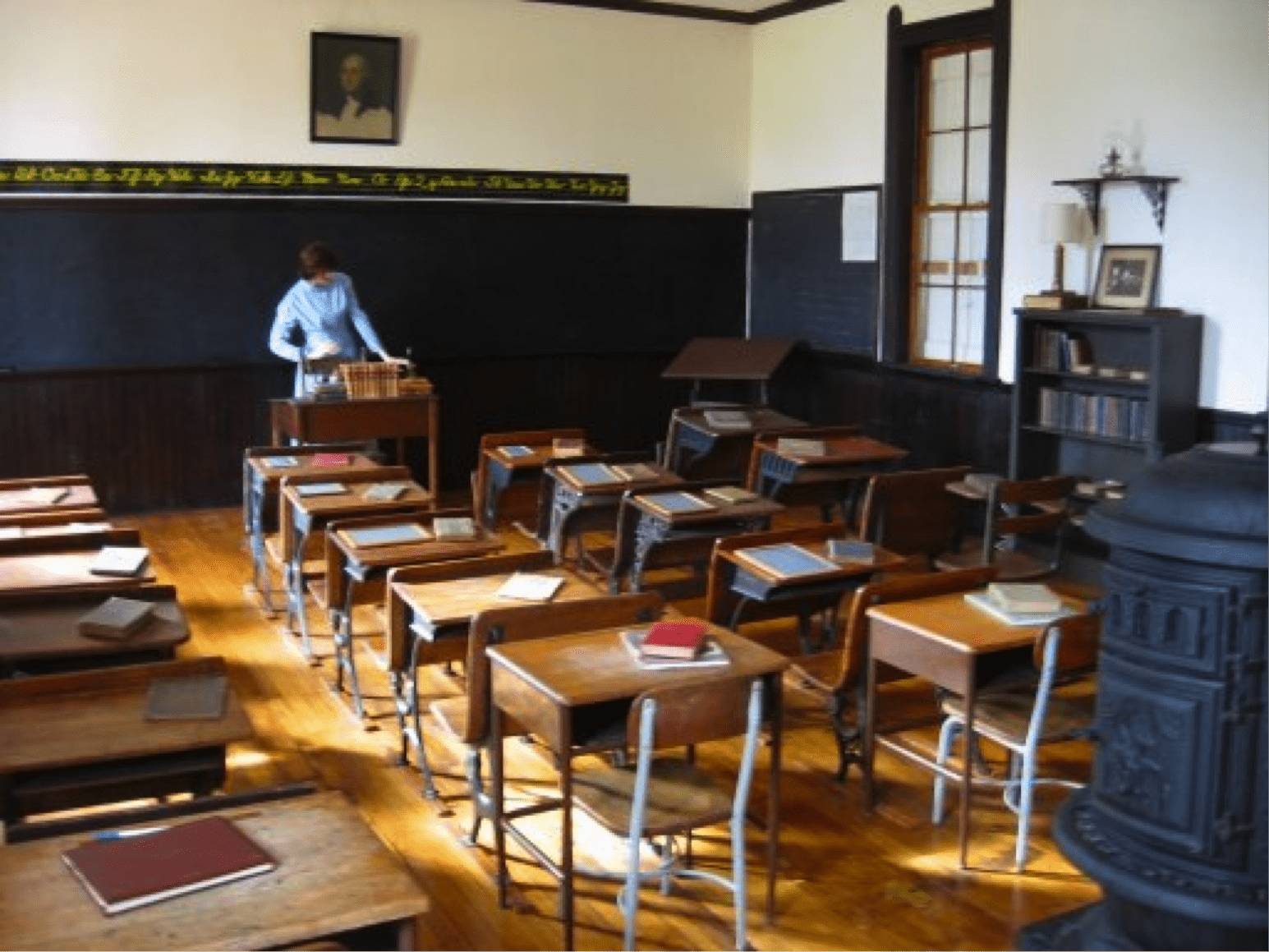
In many schools, it still does.
When I see this picture, I get a sick feeling in my stomach. I remember sitting with my hands on my desk forced to keep my mouth shut. The teacher did all the talking. She only called on people who she believed knew the answer. If I answered wrong, I was humiliated. Now I did have some good experiences during my education, but seeing this configuration brings back some of those awful feelings. I even worked in schools where the desks were bolted to the floor. It really is all about control. I know that teachers can only do with what they have, but there are other options for learning spaces.
Reggio Emilia is a learning approach where the environment is the Third Educator. The learning spaces are significant for the learner to learn. There is a flow and adults are observing and chronicling the learning. This approach was started after World War II in the city of Reggio Emilia for preschool and now is being explored for K-12 around the world.
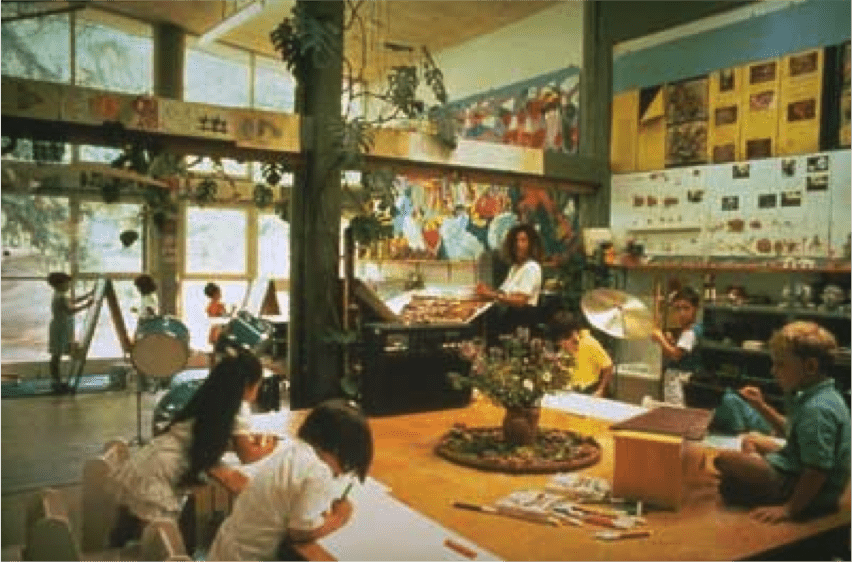
Learning spaces are all about design. What is design as it relates to school? Design encourages creativity and innovation. It helps you shape your ideas and thoughts. If the design is restricting you from moving or exploring, it may also restrict your thinking. At ISTE 2013 in San Antonio this year, I visited Steelcase – an interesting furniture design company for organizations including schools. They have chairs that swivel with spaces to store your backpack — desks that move and link.
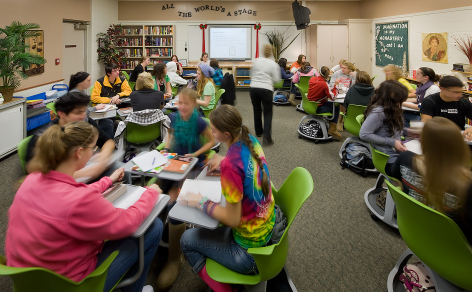
“A lot of times now, I am grabbing a chair and becoming a part of the groups, which has changed how I do things.”
Sheri Steelman, Northview High School teacher [source]
Steelcase also had some very cool tables that group and let you connect your iPad or other tablet to a display. Other tables had places to hang small whiteboards with handles and use a slot to stand them up right on the table to continue working. I want that. Just grab and whiteboard and go. If you know me, then you know I definitely would love this…
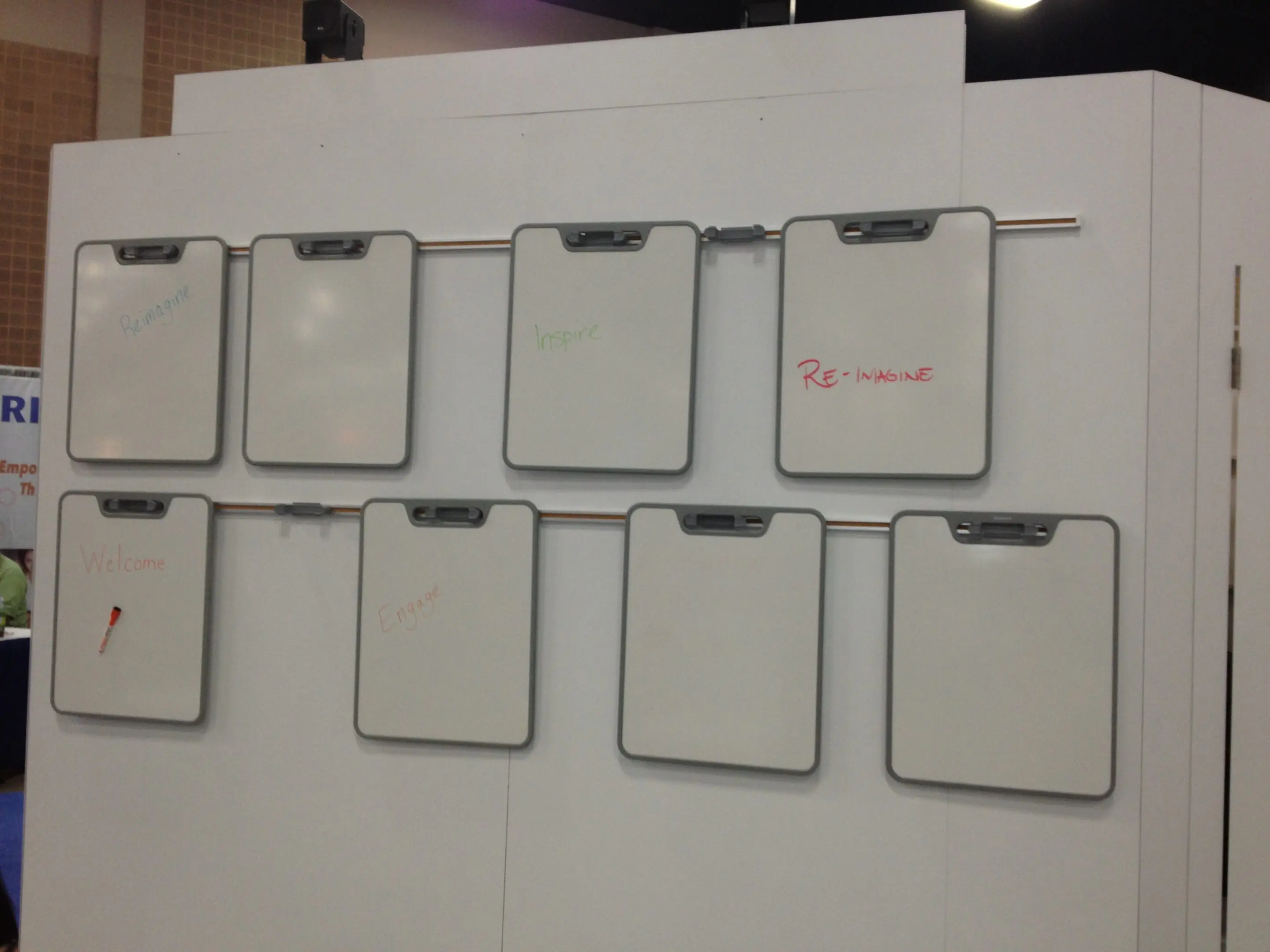
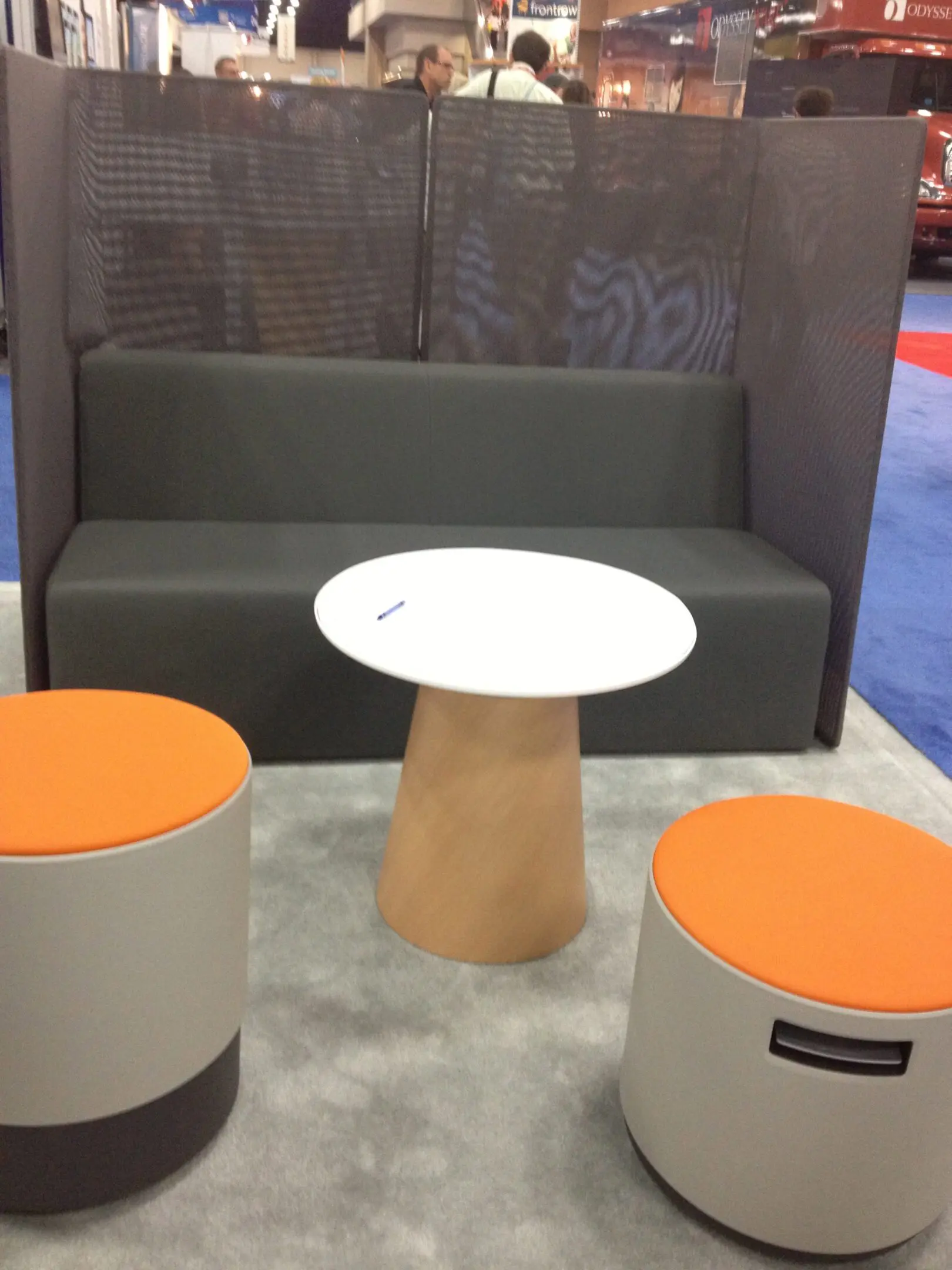
 Then they took me over to an area with a couch with round tables and ball chairs. The couch has sound proofing behind it. Cool! Look at the round flip chart pages on the top of the round table that you can pull off and use for brainstorming. The ball chairs moved up and down and were just like the exercise ball I sit on while I work. I want one!!
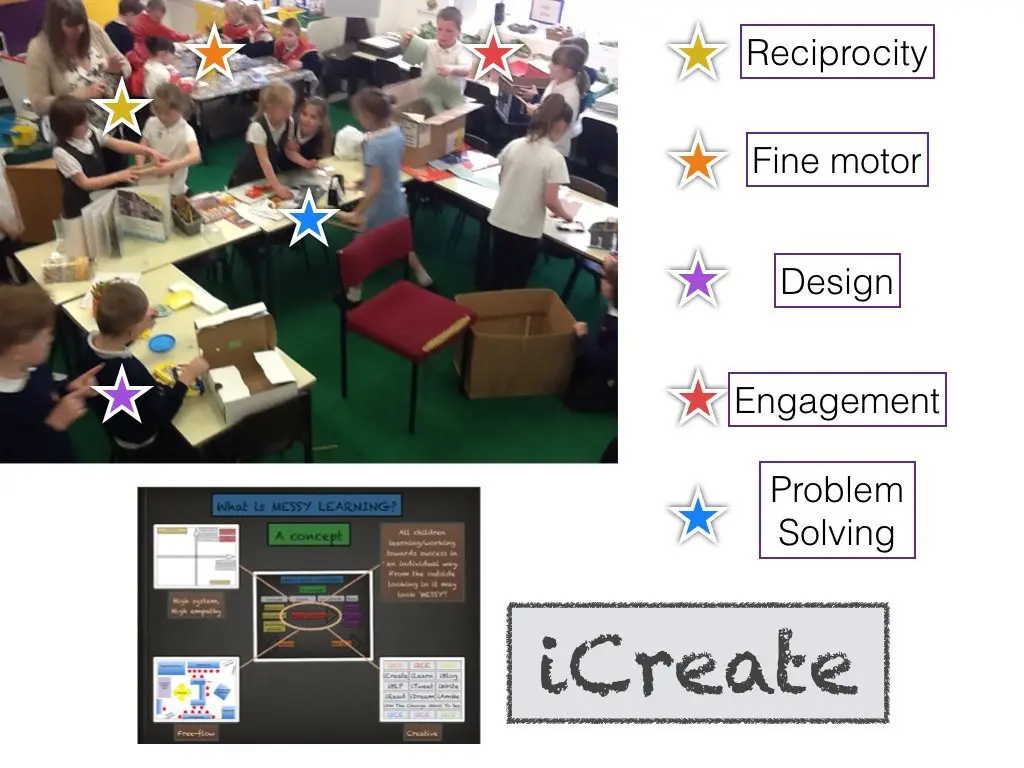
Chris Edwards, a Year 2 teacher at Chad Varah Primary School Lincoln in the UK.  He shared with us (me and Kathleen McClaskey, co-founder of Personalize Learning) what his classroom looks like as part of “messy learning.”  As a musician, artist, and education technologist, Chris just couldn’t see teaching like he was taught. His kids have iPads and different learning zones to create, design, and engage in the learning process. Check out Chris’ Messy Learning website and watch for more from this innovative educator.
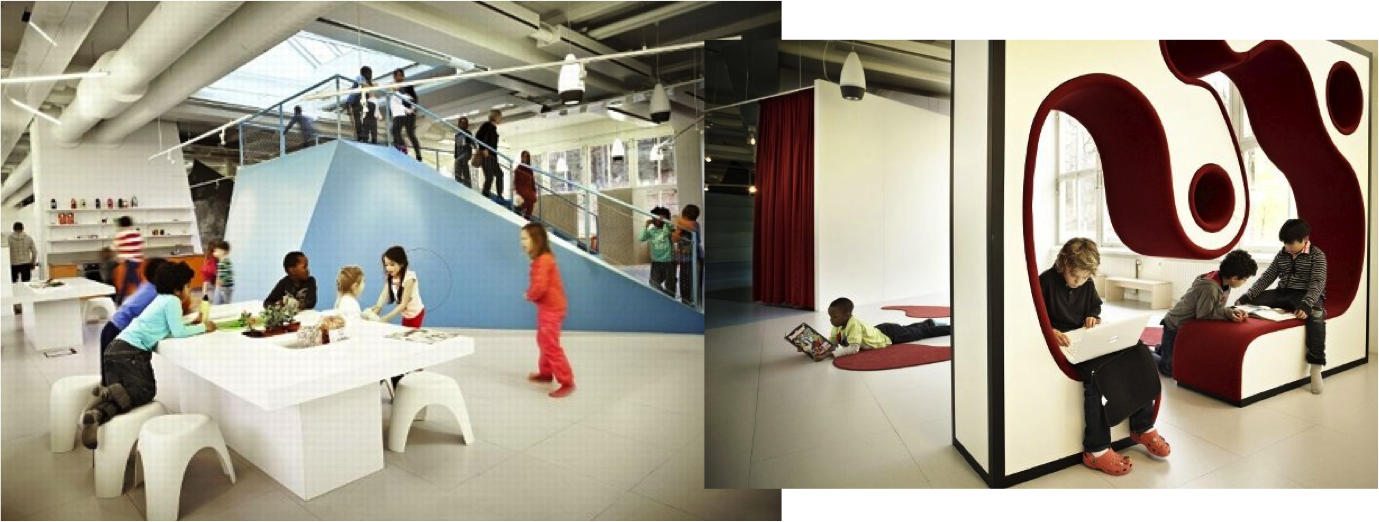
In Sweden, architect Rosan Bosch designed the school to encourage both independent and collaborative work such as group projects and PBL. Even the furniture is meant to get students learning. Bosch says each piece is meant to “aid students in engaging” while working.
- How would you design school?
- Would you call this space where learning happens school anymore?
- What would you call it?
About the author
Barbara Bray is a Story Weaver, empowerment coach, award-winning author, international keynote speaker and podcast host helping people turn life’s hardest chapters into their most meaningful work. As the creator of the Grow Your Why movement, she guides women, educators, and leaders to transform adversity into purpose, clarity, and momentum.
Her message isn’t theoretical; it’s lived. Barbara learned later in life that she survived childhood polio, a truth her parents kept secret so she would never see herself as a victim. That foundation of resilience carried her through multiple reinventions, including a career-ending injury and a lung cancer diagnosis that reshaped how she thinks about time, truth, and legacy.
For more than three decades, Barbara has worked at the intersection of storytelling and transformation, helping people reclaim their voice and direction. Through her books, podcast, and coaching, she challenges a common belief: resilience isn’t about bouncing back—it’s about growing forward, on purpose.