

Stay Connected with Grow Your WHY
Recent Posts

Archives
Design Thinking Process with the UN Sustainable Development Goals


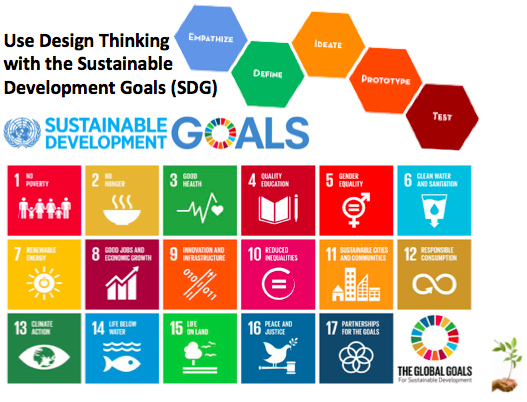
Schools need to be more about finding real-world authentic learning experiences instead of teaching to the test. How do we shake up the system so kids address what they need to know and what they want to learn? What does that mean for “school” now? We know the importance of student voice and choice but how do we encourage learners of all ages to discover their purpose for learning so they own and drive it? Learners need relevant, authentic, and real-world applications.
On January 1st, 2016, the 17 Sustainable Development Goals established by UN world leaders were adopted in an international effort to meet the 2030 Agenda for Sustainable Development.
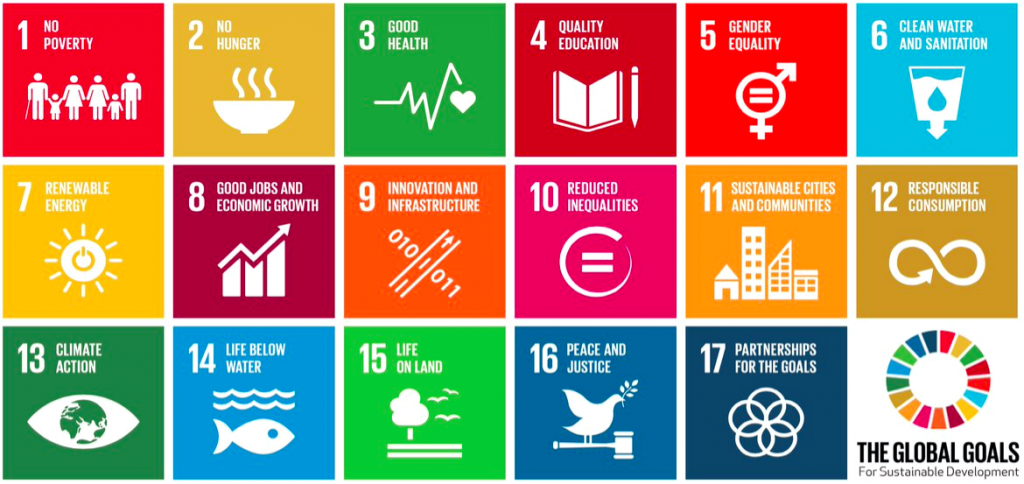 https://www.un.org/sustainabledevelopment/sustainable-development-goals/
Each SDG has resources that include research, videos, facts and figures, lessons, and targets to reach the goals by the year 2030. The 17 Global Goals impact all of us especially children today. When even young learners realize that the SDGs involve authentic learning experiences, I can just imagine that they will want to get involved so they can make a difference locally and globally.
What if we redesign our existing curriculum to create a
learner-centered approach around the SDGs?
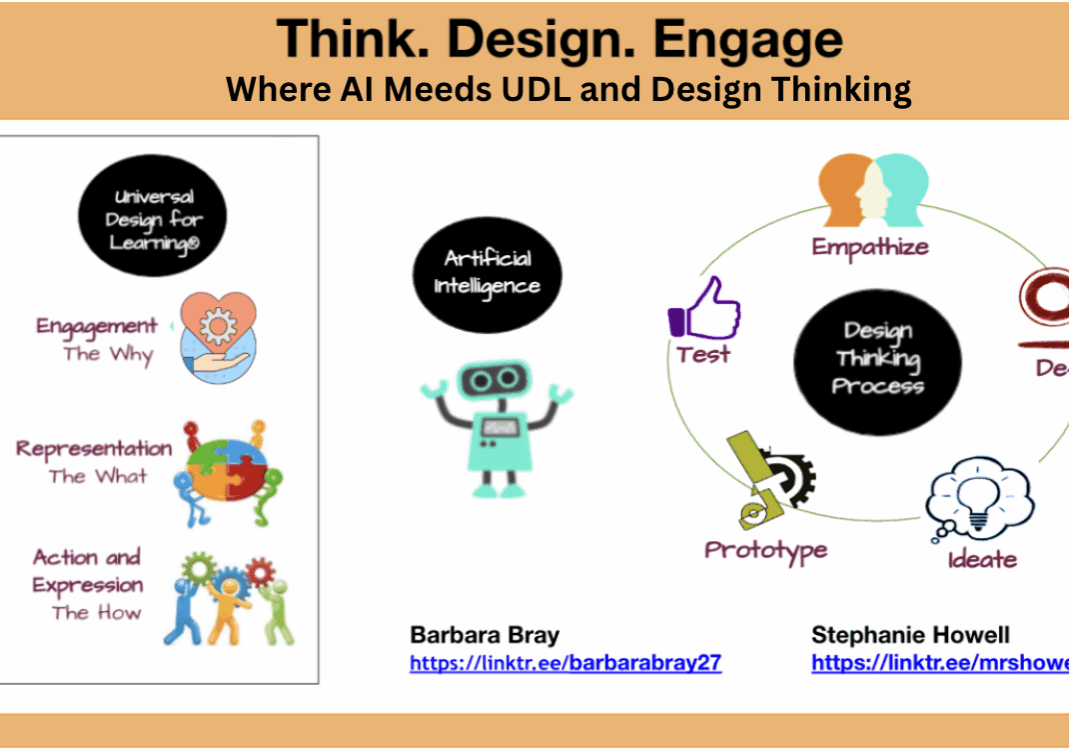
We can do this using the Design Thinking Process which starts with empathy. Kids can use design thinking to identify the audience to focus on and choose one of the Global Goals to research. The following information on design thinking was adapted from the dSchool at Stanford: https://dschool.stanford.edu/
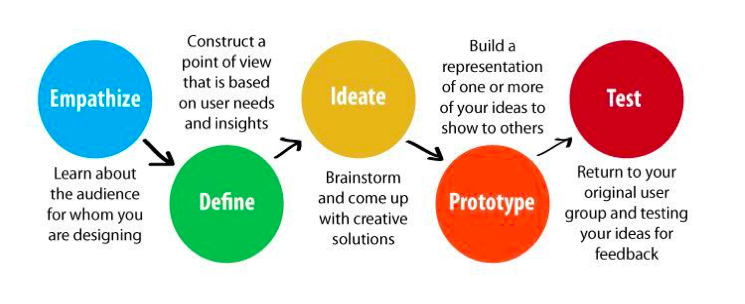
Let’s take the main ideas of the 2030 goals which are to see how all of us can be the change.
Empathize: Who is your audience?
“To create meaningful innovations or solutions, you need to know your audience and care about their lives.”
- Review the Global Goals and see if there is a group of people you would like to learn more about.
- Would it be better to start locally before globally? If so, who have you identified?
- Have you thought of focusing on yourself first?
Define: What is the problem?
 “Framing the right problem is the only way to create the right solution.”
- Define one Global Goal as the problem
- Choose one of the targets for that goal to address
- Identify the point of view to frame the problem
- Craft a meaningful, actionable problem statement
- Capture the hearts and minds of your audience
Ideate: What are some possibilities?
 “It’s not about coming up with the ‘right’ idea, it’s about generating the broadest range of possibilities.”
- Harness the collective perspectives of your team
- Uncover unexpected areas and solutions to explore
- Push for the widest possible range of ideas
- Encourage many ideas and discourage judgment
Prototype: What can you do or create to solve the problem?
 “The prototype is the iterative generation of artifacts intended to answer questions to get you closer to your final solution.”
- To problem solve.
- To communicate.
- To fail quickly and cheaply.
- To test possibilities as if you are right.
- To manage the solution-building process.
Test: What you can learn about your solution?
 “Testing is an opportunity to learn about your solution and your user.”
- To invite feedback.
- To learn more about your audience.
- To test as if you are wrong.
- To refine prototypes and solutions.
You may realize your students may want to start investigating one of the SDGs by themselves. They may ask you what they can do even at home to make a difference. The UN created a page where anyone can take action: “The Lazy Person’s Guide to Saving the World”
www.un.org/sustainabledevelopment/takeaction/you
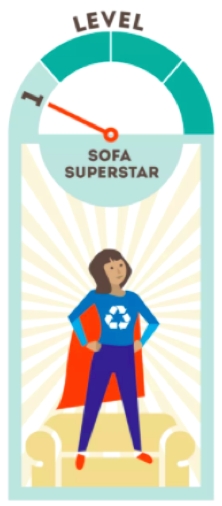
Things you can do on your couch:
- Save electricity by plugging appliances into a power strip and turning them off completely when not in use, including your computer.
- Stop paper bank statements and pay your bills online or via mobile. No paper, no need for forest destruction.
- Speak up! Ask your local and national authorities to engage in initiatives that don’t harm people or the planet. You can also voice your support for the Paris Agreement.
- Don’t print. See something online you need to remember? Jot it down in a notebook or better yet a digital post-it note and spare the paper.
- Turn off the lights. Your TV or computer screen provides a cozy glow, so turn off other lights if you don’t need them.
There are 3 more levels with many bullet points. Invite your students to start with Level 1 and keep track of what they are doing to save the planet. Involve your kids in multiple ways using the SDGs. Consider the design thinking process so they have a voice in any of their decisions.
*****
I welcome you to check out the Rethinking Learning podcasts and each post that my guests created. There are even multiple conversations about the SDGs. Each story is a unique, inspirational journey. Click the logo below or go to https://barbarabray.net/podcasts/
About the author
