Skip to content
×
Home
Coaching
Coaching
Coaching Program
Speaking
Blogs
Podcasts
Podcasts
Podcasts (Alphabetical)
Reflections
Books
Books
Define Your Why
Grow Your WHY
Praise for Define Your WHY
Resources
About
About Barbara
Testimonials
Services
About Team
Home
Coaching
Coaching
Coaching Program
Speaking
Blogs
Podcasts
Podcasts
Podcasts (Alphabetical)
Reflections
Books
Books
Define Your Why
Grow Your WHY
Praise for Define Your WHY
Resources
About
About Barbara
Testimonials
Services
About Team
×
Home
Coaching
Coaching
Coaching Program
Speaking
Blogs
Podcasts
Podcasts
Podcasts (Alphabetical)
Reflections
Books
Books
Define Your Why
Grow Your WHY
Praise for Define Your WHY
Resources
About
About Barbara
Testimonials
Services
About Team
Search ...
Search
Stay Connected with Grow Your WHY
Please enter a valid email address.
Subscribe
Something went wrong. Please check your entries and try again.
Recent Posts
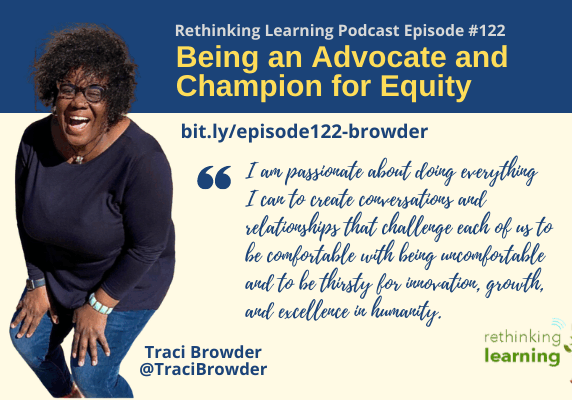
Episode #122: Being an Advocate and Champion for Equity with Traci Browder
08/28/2021
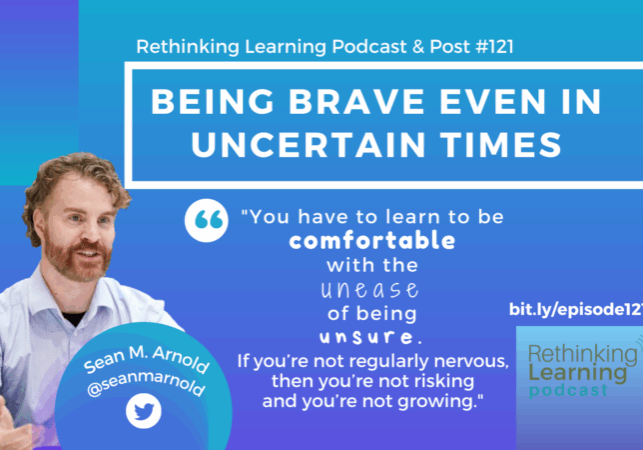
Episode #121: Being Brave Even in Uncertain Times with Sean Arnold
08/23/2021
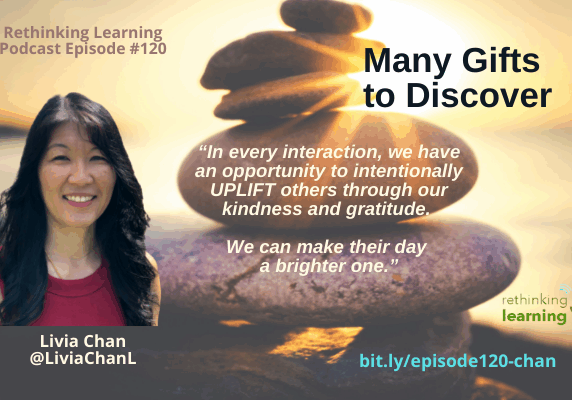
Episode #120: Many Gifts to Discover with Livia Chan
08/01/2021
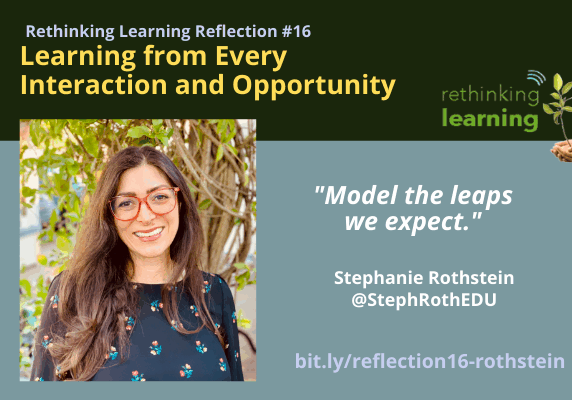
Reflection #16: Learning from Every Interaction and Opportunity with Stephanie Rothstein
07/10/2021
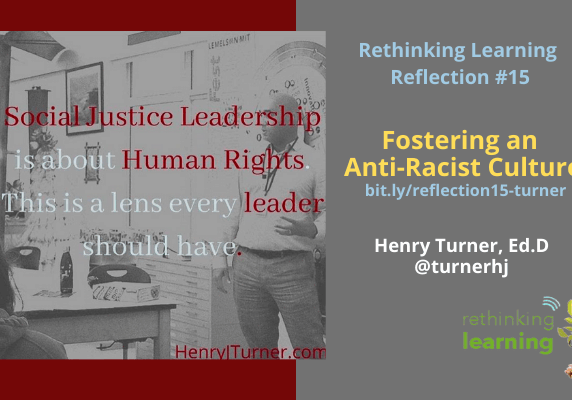
Reflection #15: Fostering an Anti-Racist Culture with Dr. Henry Turner
06/16/2021
Archives
►
2026 (7)
►
March (1)
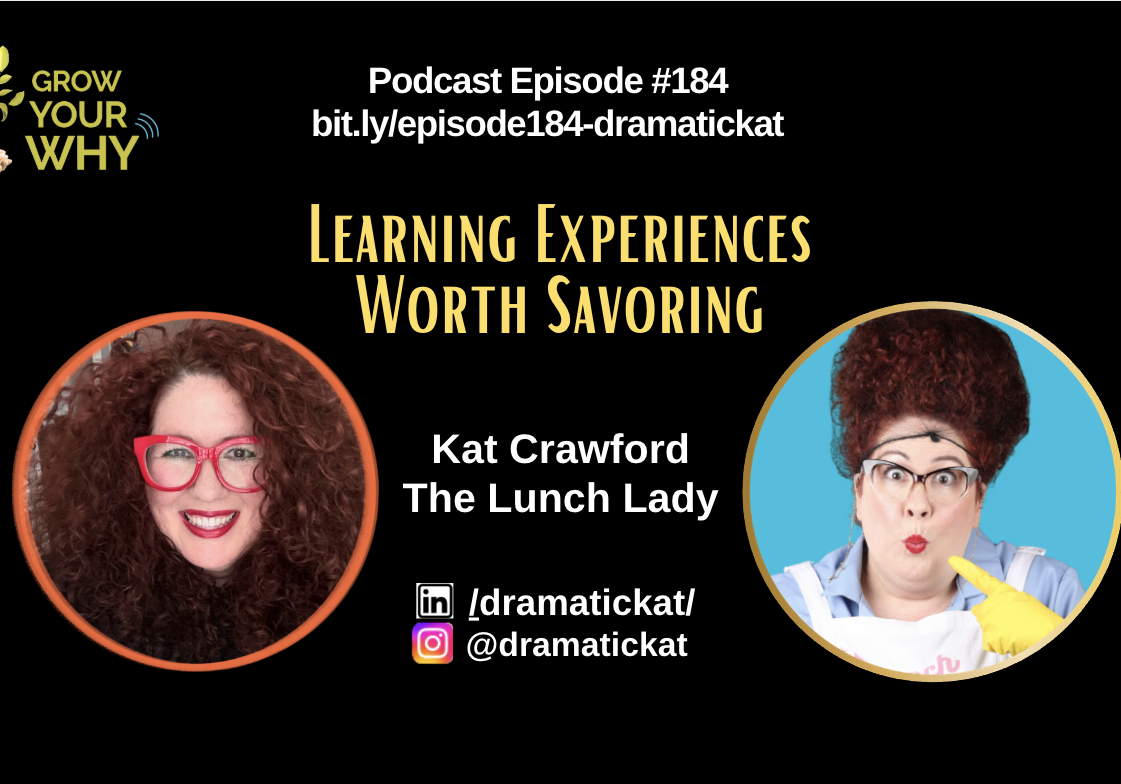
Learning Experiences Worth Savoring with Kat Crawford (EP184)
►
February (3)
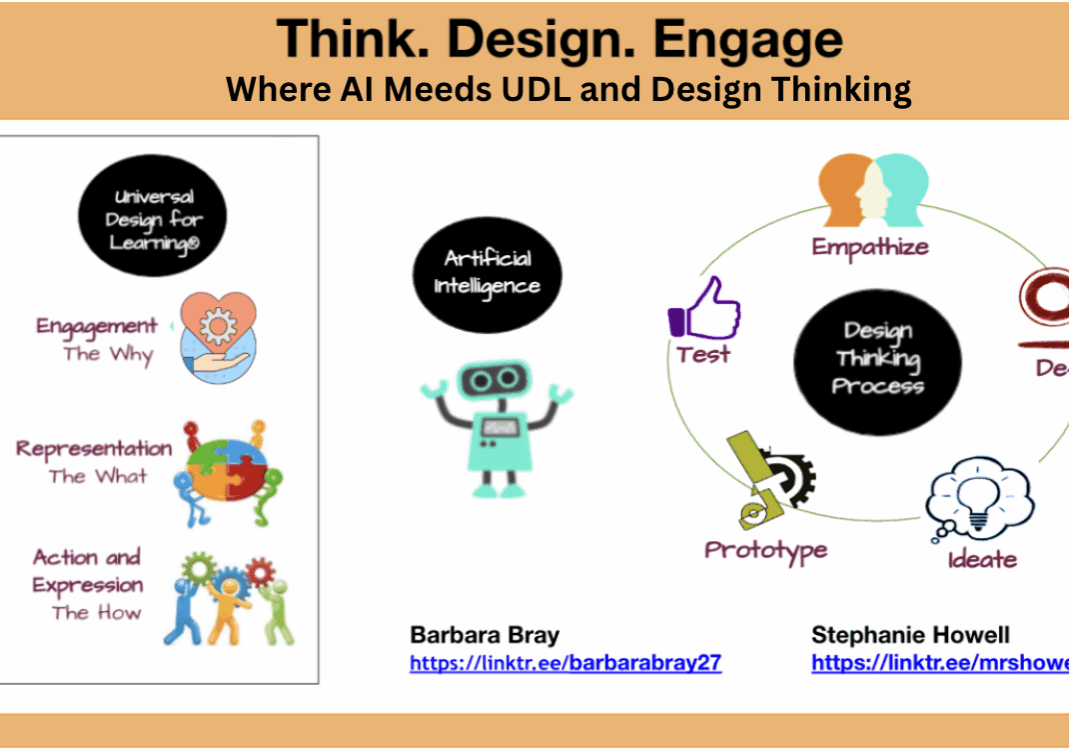
Think. Design. Engage: Where AI Meets UDL and the Design Thinking Process
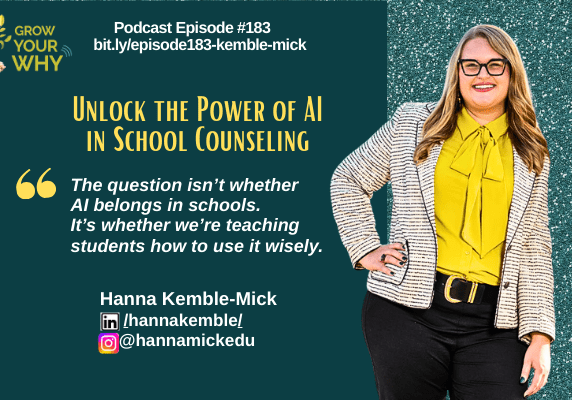
Unlock the Power of AI in School Counseling with Hanna Kemble-Mick (EP183)
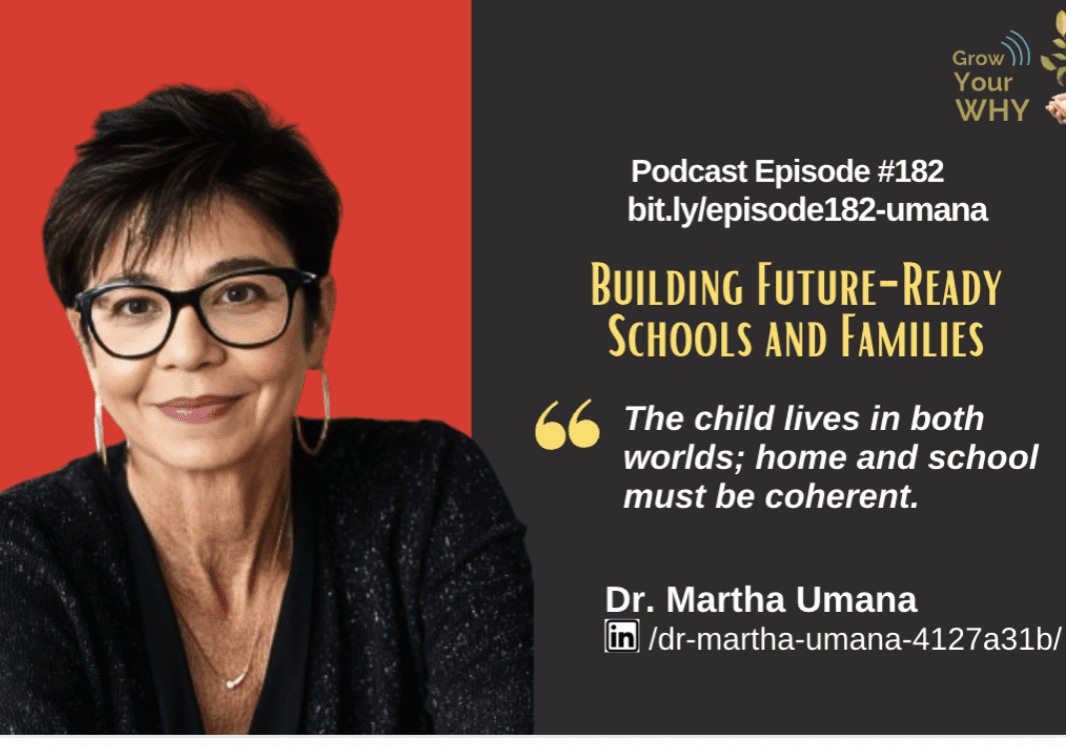
Building Future-Ready Schools and Families with Dr. Martha Umana (EP182)
►
January (3)
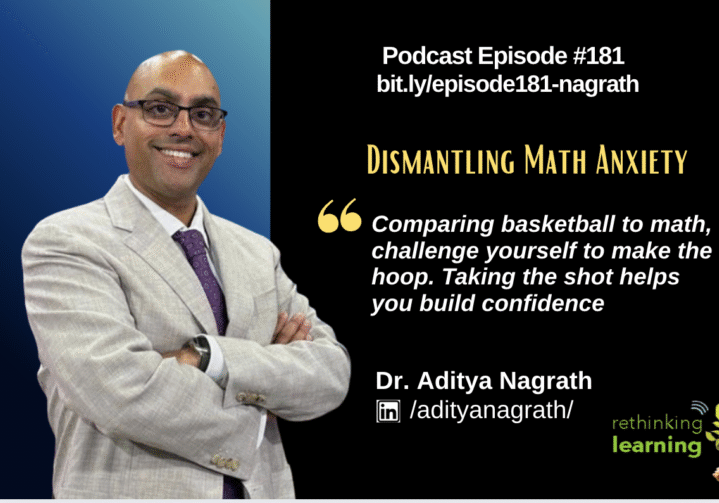
Dismantling Math Anxiety with Dr. Aditya Nagrath (EP181)
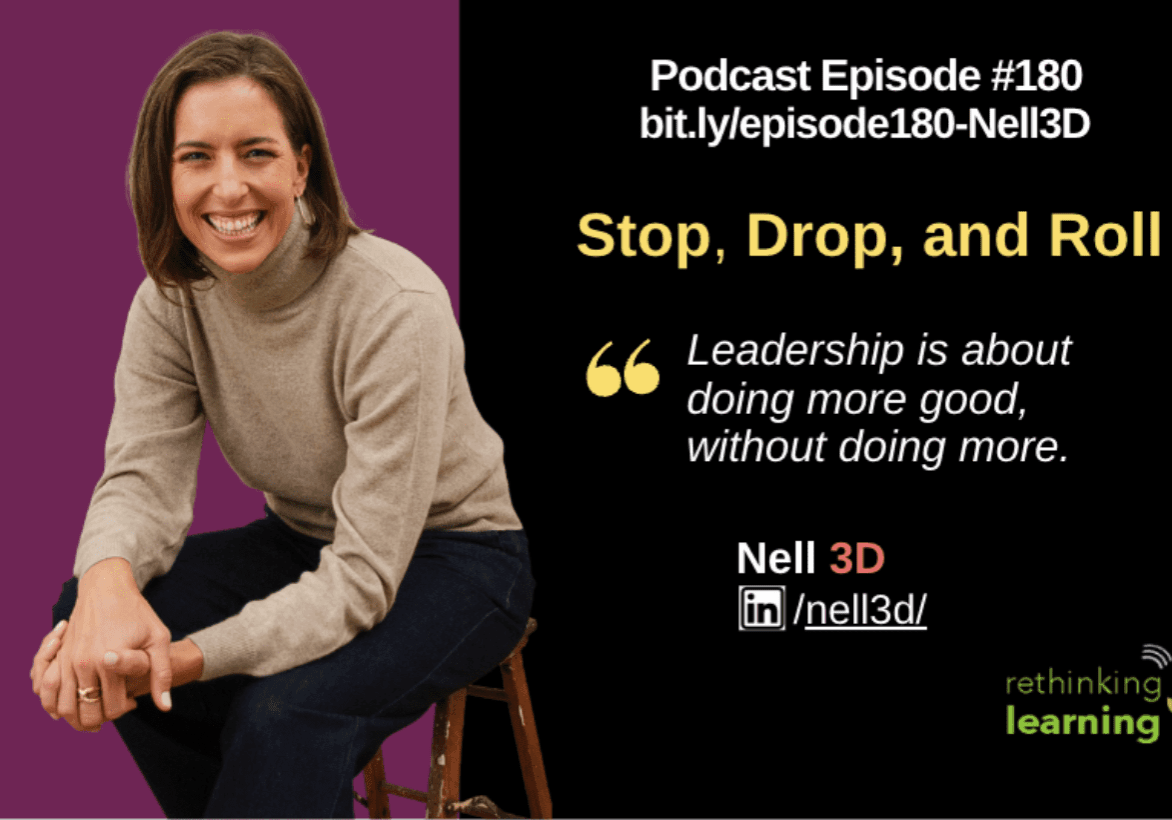
Stop, Drop, and Roll with Nell 3D (EP180)
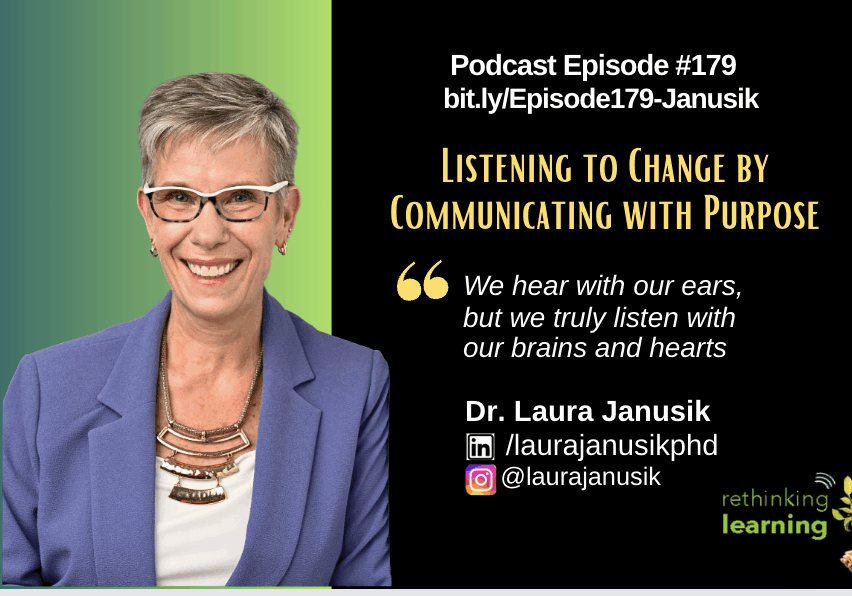
Listening to Change by Communicating with Purpose with Dr. Laura Janusik (EP179)
►
2025 (13)
►
November (1)
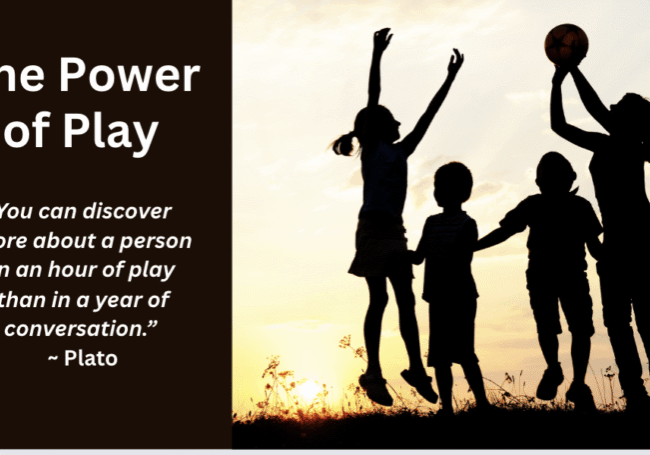
The Power of Play
►
October (1)
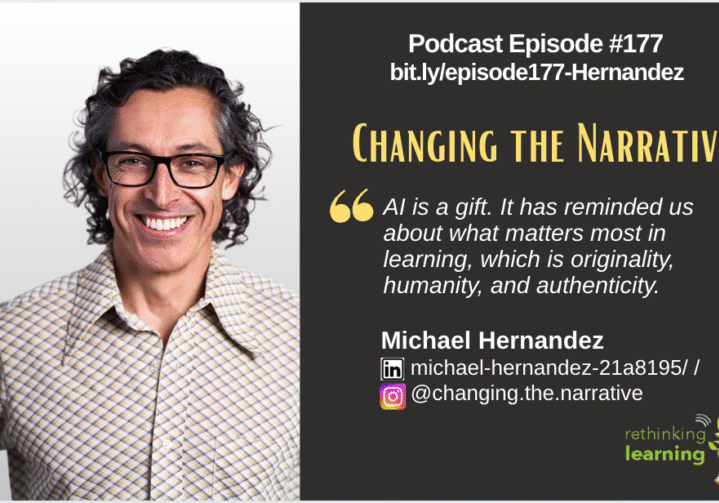
Changing the Narrative with Michael Hernandez (EP177)
►
September (2)
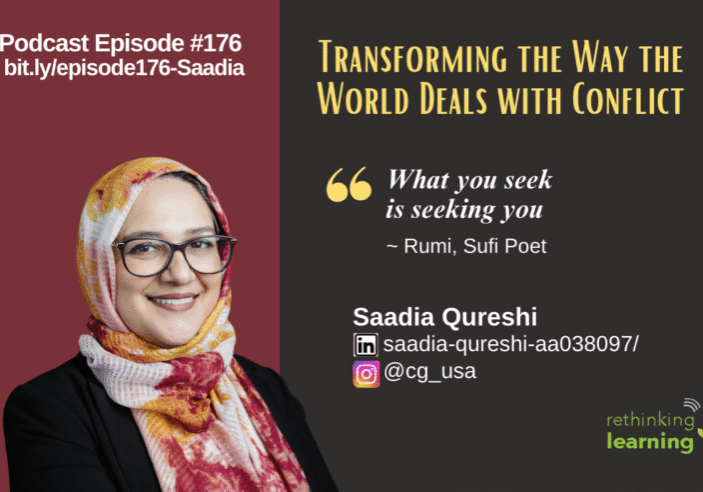
Transforming the Way the World Deals with Conflict with Saadia Qureshi (EP176)
25+ Ways to Think Like an Entrepreneur
►
June (2)
EdTech, Design Thinking, and Women’s Empowerment in Education with Jerri Kemble (EP174)
Reimagine and Expand the Role of Music in Education with Patrick Cerria (EP173)
►
May (3)
Ignite Joy, Creativity, and Purpose in Teaching, Learning, and Life with Michael Wesely (EP172)
Engaging Students in a World of Distractions with Dr. Marc Isseks (EP171)
Opportunities are Imagination with Jidé Fresh (EP170)
►
April (1)
Empowering Students to Overcome Obstacles with Stephanie Howell (EP169)
►
February (2)
Redefining Education with Curiosity, Innovation, and a Dash of Kiwi Humour with Dr. Michael Harvey (EP168)
The Art of Living in the Question with Melanie Ching (EP167)
►
January (1)
Fostering a Sense of Purpose and Belonging with Chris Pultz (EP166)
►
2024 (17)
►
November (1)
Developing Human-Centered Skills in an AI World with Dr. Michelle Ament (EP165)
►
October (1)
Shaping the Future of Education with Dr. Kapono Ciotti (EP164)
►
September (1)
The Blueprint for EMPATHY to IMPACT with Aaron Moniz (EP163)
►
August (1)
Power of Gratitude With the Barbaras (Reflection #19)
►
June (1)
Empowering Educators and Championing Student-Centered Classrooms with Dr. Kaylah Holland (EP162)
►
May (2)
Being a Part of Better with Dr. Amy Mathews-Perez (EP161)
Shaping the Future of Education Technology and Leadership with Jennifer Womble (EP160)
►
April (5)
Nurturing Social-Emotional Learning for a Brighter Future with Cara Zelas (EP159)
Empowering Students through Financial Literacy with Brian Curcio (EP158)
Growing Learners in Challenging Times with Kevin Honeycutt (EP157)
4 Levels of the Progression to Intrinsic Motivation
Rethinking the Why of Teaching and Learning with Erik Francis (EP156)
►
March (1)
The Role of AI in the Future of Education with Priten Shah (EP155)
►
February (1)
Creativity, Play, and Experiential Learning with Janella Watson (EP154)
►
January (3)
Just Keep Showing UP and Always Learning with Dr. Asia Lyons (EP153)
Principles to Unleash Your Potential with Sylvester Chisom (EP152)
Educating with Hope, Optimism and Courage with Jennifer D. Klein (EP151)
►
2023 (16)
►
November (1)
New Ways, New Forms, and New Measures for Learning with Elliot Washor (EP150)
►
October (1)
Weaving Core Values, Curiosity, and Joy with Dr. Mark Hines (EP149)
►
August (1)
The “3 L’s”: Love It, Learn It, and Live It with Maxwell Roach (EP148)
►
July (1)
Value Exceeds Circumstance with John Miller (EP147)
►
June (3)
Unlocking Potential and Igniting Positive Changes with Qin Coe (EP146)
The Desert Valley That Feeds Us by Nicole Biscotti
FReadom Fighters with Carolyn Foote (EP145)
►
May (1)
Durable Skills and Stackable Credentials with Tim Taylor (EP144)
►
April (3)
Episode #143: Servant Leadership…In Gratitude with Chris Quinn
Episode #142: No More Orange Jumpsuits with Josh Tovar
Episode #141: Intersection of Education, Leadership and Equity with Charles Williams
►
March (2)
Episode #140: Cultivating Compassion through Creativity with Erika Sandstrom
Episode #139: Raising Kids to be Brave, Smart, and Kind with PJ Brady
►
February (1)
Episode #138: Engaging Inclusive Environments While Empowering Learners with Melisa Hayes
►
January (2)
Episode #137: Collective Intelligence and Human-Centered AI with Johannes Castner
Be Unstoppable
►
2022 (13)
►
November (1)
Episode #136: The Art and Science of Designing Inspirational Learning Spaces of the Future with Robert Martellacci
►
October (1)
Episode #135: We Learn From Everyone with Celeste Endo
►
September (1)
Sea Animal PBL by Paula Ford
►
August (1)
Episode #134: Learner-Centered Leadership: Blueprint for Transformational Change with Dr. Devin Vodicka
►
June (1)
Episode #133: Discovering Your Journey to Advocacy with Dr. Sheldon Eakins
►
April (1)
Episode #132: Potpourri of Clues with Dr. Colleen Kelley
►
March (2)
Episode #131: Making Schools Places of Wellness with Kecia McDonald
Episode #130: Let’s Connect, Level Up, and Then Level Up Others with Vernon Wright
►
February (2)
Connections and Purpose Grow Your Sense of Belonging
Episode #129: Transform Education by Making Learning Sticky with Debbie Tannenbaum
►
January (3)
How My Hacked Account Turned into a BLESSON
Whatever It Takes by Barbara Bray
Episode #128: Igniting Change through Global Conversations with Dr. Walter Greason
►
2021 (29)
►
December (2)
My #OneWord for 2022: Purpose
Episode #127: Amplify the Voices of All Students with Hedreich Nichols
►
November (3)
Reflection #18: Why Teachers are Leaving Now, Helping Them Stay with Rita Wirtz
Bearing Witness to Racism from a Privileged Perspective
Episode #126: Helping Students Feel Safe, Seen, and Stretched with Julie Schmidt Hasson
►
October (1)
Episode #125: Growing Empathy So We Connect More Deeply with Joshua Freedman
►
September (3)
Episode #124: Touch the Heart Before You Can Reach the Brain with Hal Roberts
Empathy as our Superpower with Naomi Toland (Podcast Episode #123)
Reflection #17: Becoming the Mentor Kids Deserve with Noa Daniel
►
August (3)
Episode #122: Being an Advocate and Champion for Equity with Traci Browder
Episode #121: Being Brave Even in Uncertain Times with Sean Arnold
Episode #120: Many Gifts to Discover with Livia Chan
►
July (1)
Reflection #16: Learning from Every Interaction and Opportunity with Stephanie Rothstein
►
June (3)
Reflection #15: Fostering an Anti-Racist Culture with Dr. Henry Turner
Episode #119: Bring Your Stories to Life with Tanya Gough
Concern-Based Adoption Model (CBAM) about Personalized Learning
►
May (2)
Episode #118: Unlocking the True Potential in Kids with Dr. Daniel Fried
Sparking Back a Love of Learning through Play with Katherine Mengardon (EP117)
►
April (3)
Educators and Self-Care: Why Is It Important? Guest Post by Nicole McCray
Episode #116: Evolving to Relentlessly Rethink Learning with Lainie Rowell
Episode #115: Listen Courageously to the WHY Behind the Story with Juliana Tafur
►
March (2)
Podcast Episode #114: Human-Centered Learning with Katherine Prince
Reflection #14 on Why I Can Learn When I’m Moving with Nicole Biscotti and her son, Jason
►
February (4)
Defining Our Why During this Crisis through Stories
Episode #113: Be the Change You Wish to Make! with Natalie Reeves Billing
Reflection #13: Choose and Impart Joy in Uncertain Times with Jillian DuBois
Reflection #12: Now is the Time to Disrupt the Status Quo with Dr. Basil Marin and “JT” Taylor
►
January (2)
Episode #112: Spread the Kindness Ripple through Books with Rich Simpson
Episode #111: From Tragedy to Triumph with KTTeeV (Kendrick Thomas)
►
2020 (35)
►
December (2)
Reflection #11 on Humanizing Distance Learning with Paul Emerich France
Episode #110: Go Get It with Chip Baker
►
November (3)
Episode #109: Play and Joy through Embodied Learning with Tommaso Lana
Reflection #10 on Humanized Pandemic Teaching with Chris McNutt
Episode #108: Aspire to Lead with Empathy, Creativity, and Passion with Joshua Stamper
►
October (2)
Episode #107: Engaging Learners in the Online Environment with Dr. Cynthia Sistek-Chandler
Empathy for YOU in Uncertain Times (Reflection #9)
►
September (2)
Episode #106: Inspiring the Next Generation Leaders, Thinkers, and Problem Solvers with Derek Wenmoth
Episode #105: Turning Potential into Power with Matthew X. Joseph
►
August (3)
Episode #104: Making your Mark on the Digital World with LivBit and Cynthia Merrill
Reflection #8: Intersectionality with Matthew Weimann
Episode #103 Podcast and Post with Steve Sostak on Inspire Citizens: Impact Change
►
July (3)
Episode #102: Reimagining Personalized Learning through Lindsay Leads with Barry Sommer
Episode #101: Making a Difference in the Lives of Every Student with Craig Shapiro
Developing Learner Agency: Guest Post with Michaela Loo & Tricia Pettis (Reflection #7)
►
June (3)
Where are you on your journey in understanding systemic racism? with Hedreich & Barbara (Reflection #6)
Episode #100: Empowering Striving Readers and Writers with Laura Robb
Reflection #5: Being Intentional to Build Resilience and Hope with Joan Young and Barbara Bray
►
May (3)
Episode #99: Spark Curiosity, Ignite Passion, Empower Voice with Elisabeth Bostwick
Reflection #4 on Mental Health Awareness All Year Long with Kecia McDonald and Barbara Bray
Episode #98: Learning + Connection + Human Flourishing with Dr. Michael Crawford
►
April (4)
Episode #97: Build Hope and Spread Kindness to Impact Globally with Roman Nowak
Reflection #3: Belonging and Our WHY during this Pandemic with Ilene Winokur and Barbara Bray
Episode #96: Creating an Award-Winning Culture Leading with Kindness and Empathy with Jennifer Appel
Reflection #2: My Why While Staying at Home by Barbara Bray
►
March (3)
Episode #95: Overcoming the Odds for Struggling Learners with Lois Letchford
Reflection #1: Teaching Online –– in this time of crisis with Barbara Bray
Episode #94: Empowering Learners by Innovating inside the Box with George Couros
►
February (3)
Our Perspectives Come From Our Experiences: Guest Post by Dan Jackson
Episode #92: Creating Student Agency, Ownership, and Empowerment with Andelee Espinosa
Searching for My WHY
►
January (4)
Episode #91: Guiding Global Citizens, Becoming Tomorrow’s Leaders with Patricia Gartland
Episode #90: Being the Controller of My Learning with Aidyn Grice
Episode #89: Spark Learning to Unlock and Harness the Power of Student Curiosity with Ramsey Musallam
My One Word for 2020: Gratitude
►
2019 (43)
►
November (4)
Episode #88: Ensuring that Children Matter Most with Dr. Michael Salvatore
Episode #87: Becoming Agents of Student Agency with Evo Hannan
Episode #86: Bringing Your Imagination to Life with Stephen Hurley
Defining Your WHY using ikigai
►
October (3)
Episode #85: Writing to Uplift, Inform, and Bridge Understanding with Nicole Biscotti
EMpowered by No Power
Episode #84: Make Learning Meaningful in a Global Society with Leigh Zeitz
►
September (3)
Episode #83: Demystifying Learning So We are Designed to Learn with Dr. Lindsay Portnoy
Episode #82: Connecting By Heart with Barbara Gruener
Episode #81: Providing a S.P.I.R.I.T.E.D. Environment Where Students Thrive with Dan Jackson
►
August (5)
Personal Learning Backpack
Episode #80: Learning from Each Other to Inspire Others to Do the Same with Sarah Thomas, Ph.D.
Getting to Know YOU with your Learner Profile
Episode #79: Leadership, Innovation, and Divergent Teaching with Mandy Froehlich
Universal Design for Learning (UDL) Starts with WHY
►
July (3)
Episode #78: Reclaiming Personalized Learning with Paul Emerich France
Skills and Dispositions Needed for the Future
Episode #77: Ask Questions, Make Connections, Create Systems with Connie Hamilton
►
June (3)
Episode #76: Leading by Hand, Heart, and Mind with Dr. Marialice B.F.X. Curran
Really Seeing Each and Every Learner by Dr. Jackie Gerstein
Wonderment in the Classroom: Guest Post by Linda Ullah and Meghan Ross
►
May (4)
Episode #75: Start with the Why: Purpose-Based Learning with Tara Linney
Episode #74: Like Never Before: Learning in the Modern Classroom with Cary Harrod
Making Project-Based Learning (PBL) Personal
Episode #73: Great Minds Don’t Think Alike: Embracing Learner Variability with Nancy Weinstein
►
April (2)
Episode #72: Fostering Comprehension and Joy through Visual Texts with Trevor Bryan
Episode #71: Amplifying Inquiry, Honoring Agency with Tonya Gilchrist
►
March (5)
World Changers PBL by Paula Ford
What I Learned at SXSW EDU and SXSW by Sheehan Lake
Episode #70: Taking Risks and Learning from Students Taking the Lead with Rachelle Dene Poth
Episode #69: Using Technology to Close the Opportunity Gap with Ira Socol
Maslow’s Hierarchy of Needs and Blackfoot (Siksika) Nation Beliefs
►
February (6)
Episode #68: An Educator’s Journey to Spark the Learning in Others with Meredith Johnson
Episode #67: Sharing Vulnerability is a Sign of Strength with Jon Harper
Episode #66: Educate, Be Real, and Live with your Heart with Tara Martin
The Teaching and Learning Continuum Moving to Learner Agency
Episode #65: Lead with Empathy, Design for Innovation with Dr. Winston Sakurai
Episode #64: Timeless Learning by Listening and Observing How Kids Learn with Dr. Pam Moran
►
January (5)
Episode #63: Magical Learning by Creating Unforgettable Experiences with Tisha Richmond
Episode #62: EduProtocols for Infinite Student-Centered Learning Possibilities with Jon Corippo
Episode #61: Learning Personalized: Habits of Mind, Attributes, and Dispositions with Allison Zmuda
Episode #60: Start with Why and Stay with Why with Dr. Jim Rickabaugh
My One Word for 2019: Possibilities
►
2018 (51)
►
December (4)
Episode #59: Moving Students from Digital Citizenship to Digital Leadership with Jennifer Casa-Todd
Top 10 Rethinking Learning Posts in 2018
Episode #58: Culturize: Do Whatever It Takes for Each and Every Student with Jimmy Casas
Episode #57: Kids Speak Out on Student Engagement with Heather Wolpert-Gawron
►
November (2)
Episode #56: Outrageous Teaching Like a PIRATE in a Class on Fire with Dave Burgess
Bloom’s Taxonomy and Depth of Knowledge (DOK)
►
October (2)
Episode #55: Reading the World: Librarianship for the Digital Age and Beyond with Julia Torres
Episode #54: Create an Awarding Winning Culture with Hans Appel
►
September (4)
Episode #53: Leadership and Why Mindset Matters with Evan Robb
Episode #52: Stories from the Heart and Sparks in the Dark with Todd Nesloney
Spectrum of Voice: Developing Self-Regulation, Autonomy, and Agency
Closing the Skills Gap
►
August (3)
Episode #51: Meaningful Progress to Put Learners First with Kerry Gallagher
Episode #50: Being Joyful and Finding your Awesome with Bethany Hill
Making Professional Learning Personal
►
July (6)
Episode #49: Create an Innovation Ecosystem that Empowers All Learners with Katie Martin
Episode #48: Diving Deep into Inquiry Mindset with Trevor MacKenzie
Levels of Engagement: Balancing Challenges and Skills
Episode #47: Why Choose to Matter with Angela Maiers
My Personal Bill of Rights
Episode #46: Enriching Learning through Global Collaboration with Jan Zanetis
►
June (3)
Episode #45: Pump the Positive with Dr. Rena Hawkins
Episode #44: Build a Culture of Innovation and Entrepreneurship with Don Wettrick
Episode #43: Competency-Based Education as a New Architecture for K-12 with Rose Colby
►
May (5)
Teaching and Learning Approaches Chart (v1)
Episode #42: Embrace a Culture of Joy with Dean Shareski
Episode #41: Supporting and Mentoring Teachers with Ilene Winokur Alzaid
Opportunities for Choice: The Learning Path to Advocacy and Innovation
Episode #40: Asking Good Questions and Separating Fact from Fiction with Sara Armstrong
►
April (3)
Episode #39: Scaling Innovations with Ted Fujimoto
Episode #38: Keeping the Spark Alive with Kevin McLaughlin
Episode #37: Hope, Unity, Education, and Democracy with Dr. Darryl Adams
►
March (4)
Episode #36: Shift This! to Implement Gradual Change with Joy Kirr
Episode #35: Finding Your Why and Telling Your Stories with Cate Tolnai
Episode #34: Dream, Create, and Learn with Dave Truss
12 Ways to Build Positive Relationships
►
February (7)
Episode #33: Making, Creating, and Innovating with Personalized Learning with Travis Lape
I believe…
Episode #32: Connect, Collaborate, Create with Sylvia Duckworth
Development of Ownership: From Compliance to Autonomy
Episode #31: Awakening Wisdom with Linda Inlay
Inquiry Mindset Review
Episode #30: Innovation, Technology, and Human-Centered Design with Naomi Harm
►
January (8)
Episode #29: Learn about the World with the World with Julie Lindsay
6 Tips to Find Your Magic
Episode #28: The Why and The Way of Inquiry and PBL with Ross Cooper
Continuum of Motivation: Embracing a Love of Learning
Episode #27: Authenticity, Transparency, and Culture with Abbie Forbus
Random Acts of Kindness PBL
Episode #26: Focus on the What Ifs for a Culture of YES with Eric Sheninger
Episode #25: Building the Why for Learning with Mike Mohammad
►
2017 (59)
►
December (6)
Top 10 Rethinking Learning Posts in 2017
Episode #24: Video Production for Education and Social Impact with Krista Moroder
Build a Toolkit so Learners Become Future Ready
Episode #23: Inspiring Kids to Greatness with Darren Ellwein
Time to Ban Average in Education
Episode #22: Collaboration and Creativity in Education with Leigh Hynes
►
November (8)
Join the Random Acts of Kindness Movement
Episode #21: Modeling Behaviors We Want to See with Starr Sackstein
Design Thinking Process with the UN Sustainable Development Goals
Episode #20: A Sense of Wonderment with Linda Ullah
Ikigai: Your Purpose and Reason for Being
Episode #19: A Passion for Storytelling and Equity with Ken Shelton
Defining Learner Agency
Episode #18: Cultivating Creativity with Michelle Baldwin
►
October (8)
Accountability vs Responsibility
Episode #17: Imagining Together at City Neighbors with Bobbi Macdonald
UDL and the Why of Learning
Episode #16: Professional Learning going ROGUE with Rich Czyz
6 Ways Teachers can Spread Intentional Positivity
Episode #15: Digital Citizenship with Sue Thotz
My Story with CBAM (Concerns-Based Adoption Model)
Episode #14: Global Collaboration Projects with JoAnn Jacobs
►
September (7)
Episode #13: Connecting Connected Educators with Dr. Will Deyamport
Schools without Classrooms
Episode #12: Intentionally Designing for Tomorrow’s Schools with Thomas C. Murray
How Voice Helps Discover Purpose for Learning
Episode #11: Shift Your Paradigm with Randy Ziegenfuss
10 Tips for Active Listening
Episode #10: Be the One for Kids with Ryan Sheehy
►
August (12)
7 Strategies for Personal Professional Learning
Episode #9: Framing the Path with Alex Corbitt
5 Reasons to Personalize Learning
Episode #8: Framework for Maker Education with Dr. Jackie Gerstein
Continuum of Purpose: Fostering a Meaningful Life
6 Activities to Build a Positive Classroom Culture
Episode #7: Building Wings on the Way with Noa Daniel
7 Ideas to Discover Magic in Your Classroom
Episode #6: Passionate about Digital Learning: Shelly Sanchez Terrell
18 Ways to Recognize Learning as the Culture
Episode #5: Running Because Kids Deserve It with Adam Welcome
8 Tips to Foster a Sense of Belonging
►
July (1)
Episode #4: Conversations about PBL with Paula Ford
►
June (3)
Episode #3: My Journey into Inquiry by Shelly Vohra, Ph.D.
Design Thinking Process and UDL Planning Tool
Episode #2: Passion Through Kindness by Tamara Letter
►
May (2)
Personal Professional Learning Redefines Thinking, Teaching, and Learning
The Third Educator: The Learning Environment
►
April (5)
Episode #1: Learning through Creativity, Entrepreneurship, and Teaching
Planning Passion
Helping Learners Say How They Get to Choose
Inspire Wonderment Through Global Project-Based Learning
Traveling Toy Animals – the rest of the story
►
March (4)
5 Tips to Make PBL Personal
Personal Journeys or PJs
TL Talk Radio: Talking about Deeper Learning
Make Your Case to Change the System
►
February (2)
Traveling Toy Animals
Personal Professional Learning through Micro-Credentials
►
January (1)
Why Joy Really Matters!
►
2016 (11)
►
November (3)
Why is Change so Complex?
Following the Path to Global Awareness
Choose Love and Empathy
►
October (1)
Being in the Flow
►
September (1)
Doing a presentation? What not to do plus some tips!
►
July (1)
Go Ahead and Change the Status Quo
►
June (1)
Personal Stories Connect and Inspire
►
May (1)
The Continuum of Self-Efficacy
►
March (1)
Project-based Learning gives Kindergarteners Agency
►
January (2)
The Real Value of Teachers
Being or Doing
►
2015 (8)
►
December (2)
Inducing Learned Helplessness
Electronic Payments Impact on Education
►
October (2)
10 Ways to Encourage Passion-based Learning
Put the “Person” Back in “Personalization”
►
September (2)
Connecting the Maker Movement to Authentic Learning
Architects of their Learning: KM Explore
►
August (1)
Dancing for Balance
►
January (1)
We are not there yet
►
2014 (2)
►
June (1)
Seeing the You in You
►
January (1)
Updated PDI Chart to Teaching and Learning Approaches Chart
►
2013 (11)
►
December (1)
This Time It’s Personal and Dangerous
►
October (1)
Learning that is Personal and Beyond Ourselves
►
August (1)
Visualizing Learning Spaces
►
July (1)
Why I Love Learning
►
June (1)
Unearthing Humor
►
May (1)
Reflections on Change and Learning
►
April (3)
Listen to Voice Comments
Thinking about BYOD
Driving My Way
►
March (1)
Available Anytime Anywhere
►
January (1)
Mindset for the New Year
►
2012 (40)
►
November (1)
Tips to be Creative
►
October (2)
Didn’t we do this already?
Reflecting on Reflection
►
August (2)
Building Community in your Classroom
The Wild Wild West
►
July (1)
Image Trolling, Blogs, and Pinterest
►
June (5)
Are you indispensable? Seth Godin Interview about his book, Linchpin
Personalizing ISTE 2012 with My Friends
Studio-Based Learning (Interview: Pat Donohue)
UDL Guides Personalizing Learning to Meet the Common Core
What does Community mean to you?
►
May (3)
Personalized Learning @ Colorado Springs SD11
Read Around the World á la Francais
DOK and Competency-Based Learning
►
April (6)
Active Learning using the Socratic Method
UDL and Transforming Schools: Stephen Petrucci (Thought Leader Interview)
Schools Moving from Time to Competency
Kevin McLaughlin shares PJs: Personal Journeys
Dave Truss on the Inquiry Hub (Thought Leader Interview)
Making Thinking Visible
►
March (5)
The Filter Bubble Disguised as Personalization
How Personalized Learning is Being Framed
Inquiry Circles in Action
Blended Learning for Each Learner
Google’s Privacy Policy: What? So What?
►
February (10)
Personalized Learning Initiative in Wisconsin
Personalized Learning Initiative in Wisconsin
The Information Diet
Personal Journeys in Kindergarten
Notability App – An App You Will Love
It’s all about Apps: One That’s Free Today!!
Reboot to Encourage Wonder
It’s not Personal. It’s Business.
Wrapping Personalized Learning
10 Steps to Encourage Student Voice and Choice
►
January (5)
The Artist within Builds the New GroupThink
UDL and Personalized Learning
Curiosity and Learning from Finnish Education
10 Tips for Active Listening
Baby Boomers Retiring: Opportunities for Teaching Jobs
►
2011 (60)
►
December (4)
Occupy Learning
Why Content Matters: Defining Personalization
Curated Ecosystem of Live DJs
The Authentic Learner: Who are you?
►
November (7)
Whatever It Takes
Your Brain on Learning
Creativity, Failure and Learning
Immerse Yourself in Video
Making Change with Good Questions
Noticing what gets your attention
Mindshift to Learner-Centered Environments
►
October (11)
Creative Thinkering
Curate your own Learning
Who are the Experts Now?
Stop Hitting Rewind!
Constructivism vs Connectivism
What is Personalized Learning?
There You Go — Being Ridiculous
Student-Centered Learning: Meaningful Work
Student-Centered Learning: Changing Teaching
What’s your Normal?
Innovation Centers for Real-World Learning
►
September (9)
Prepare Students for the Real-World
BYOL + PLC = CoP
Personalizing Learning so You are Youer than You
Failure is No Longer an Option
Navigate “The Digital Waters”
Schools and the Search for Wonder
Rethinking 21st Century Skills
Building Community Schools to Save our Children
Middle School Social Skills Curriculum
►
August (6)
Skills and Values Employers Want
Personalize Learning with 20% Time
What NCLB Means For Schools Today
The 4Cs Gives Students Wings
Explore Photo Safaris with Larry Anderson
How Games Prepare Learners to be Leaders
►
July (5)
Fail Better
7 Questions for Bringing Your Own Device to School
Unplugged and What Happened?
The Flipped Classroom
Let Go and Let Learning Happen
►
June (1)
Your PLN helps your PLC become a CoP
►
May (5)
Changing Teaching and Learning
Who dunnit?
Learning from Angry Birds
Project-Based Learning: Replicating Success
Getting Back to Learning After Testing
►
April (2)
Learn More. Teach Less.
Defining Professional Learning Communities (PLC)
►
March (4)
Creativity in Education
Brand Yourself
Defining Quality Education
Going to CUE
►
February (3)
The Educated Unemployable
The Purpose of Education
Building a Learning Village
►
January (3)
Moving to Student-Centered Classrooms
Holiday Amnesia
Challenge
►
2010 (39)
►
December (5)
That Fine Line
Perspective and Empathy
What I Remember
Making a Difference
Confidence
►
November (7)
Things that are important to me
Opportunities
Taking the First Step
Think as an Entrepreneur
Imagine Traveling to Mars
Changing the Paradigm
Reflections on Webinar on Joy in Learning
►
October (2)
Full STEAM Ahead:The Power of Play
Standards vs Creativity
►
September (4)
Technology and its Impact on Society
Web 2.0 Smackdown
Why Joy Matters
Sabotaging Projects
►
August (5)
Transforming an Elementary School
Are we growing less creative?
Rethinking that Decision
The Power of We Think
The Opposite of Creative
►
July (6)
Creativity, Change, Culture
Why we need PBL
What schools can look like…
Online Learning Challenges
Kansas City schools moving to ability grouping
Creating Showcase ePortfolios
►
June (10)
You can be a Constructivist
Using iPads in the Classroom (Edubloggercon session)
Being or Bring in a Consultant (Edubloggercon Session)
Speed Demo: Edubloggercon (ISTE 2010)
Balancing Act
Determining Value of Community
Just Do It
Technology’s Impact on Learning
Trusting your Social Network
Tips for Building Trust in an Online Community
Tags
21st Century Skills
advocacy
Agency
AI
artificial intelligence
Belonging
Change
Coaching
Collaboration
Community
Connections
Creativity
Critical Thinking Skills
Culture
Curiosity
Define Your Why
Empathy
Engagement
Future
Grow Your Why
Innovation
Inquiry
Joy
Kindness
Leadership
Learner Centered
Learning
Listening
Making a Difference
mindfulness
Passion
Personalized Learning
Podcast
Project Based Learning
Purpose
Reflection
Relationships
Skills
Stories
Storytelling
Student Centered Learning
Teaching
Technology
Transformation
Why
Learning Experiences Worth Savoring with Kat Crawford (EP184)
Read More
about Learning Experiences Worth Savoring with Kat Crawford (EP184)
Think. Design. Engage: Where AI Meets UDL and the Design Thinking Process
Read More
about Think. Design. Engage: Where AI Meets UDL and the Design Thinking Process
Unlock the Power of AI in School Counseling with Hanna Kemble-Mick (EP183)
Read More
about Unlock the Power of AI in School Counseling with Hanna Kemble-Mick (EP183)
Building Future-Ready Schools and Families with Dr. Martha Umana (EP182)
Read More
about Building Future-Ready Schools and Families with Dr. Martha Umana (EP182)
Dismantling Math Anxiety with Dr. Aditya Nagrath (EP181)
Read More
about Dismantling Math Anxiety with Dr. Aditya Nagrath (EP181)
Stop, Drop, and Roll with Nell 3D (EP180)
Read More
about Stop, Drop, and Roll with Nell 3D (EP180)
Listening to Change by Communicating with Purpose with Dr. Laura Janusik (EP179)
Read More
about Listening to Change by Communicating with Purpose with Dr. Laura Janusik (EP179)
The Power of Play
Read More
about The Power of Play
Changing the Narrative with Michael Hernandez (EP177)
Read More
about Changing the Narrative with Michael Hernandez (EP177)
Transforming the Way the World Deals with Conflict with Saadia Qureshi (EP176)
Read More
about Transforming the Way the World Deals with Conflict with Saadia Qureshi (EP176)
1
2
3
…
46
Next »
Scroll To Top